WARDOGS Money Guide — How the Persistent Cash Economy Works
How cash works in WARDOGS: verified payouts for control zones and teamplay, the 90% refund rule, revive bribes, and how to grow your $10,000 account.
FAQ
Does your WARDOGS money reset between matches?
What is the death penalty in WARDOGS?
How do you earn cash fastest?
Can you trade money or weapons with other players?
What is the revive bribe?
Did the launch build change any prices?
How does money work in WARDOGS?
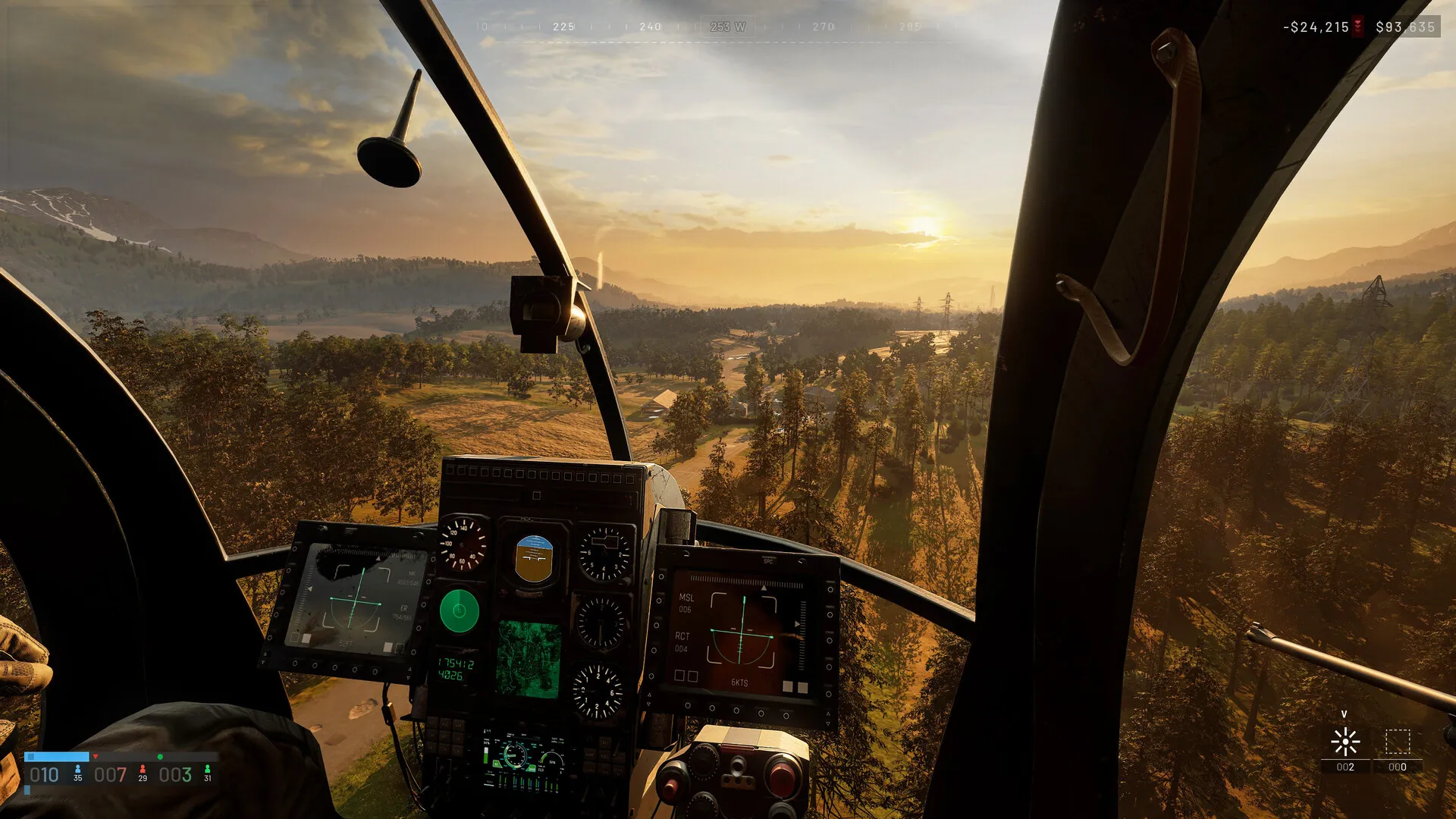
Cash is the game’s real progression. Every account opens with a one-time $10,000 seed from the developers, and from there the wallet is fully persistent: matches add to it, deaths tax it, and there is no per-match reset. Each life, you shop for your own rifle, ammo, armor, deployables, and vehicles out of that wallet — closer to Escape-from-Tarkov economics than a Battlefield loadout screen, except nothing is permanently lost when you die. New players should pair this page with the beginner’s guide; for what the money buys, see the weapons list.
How do you earn cash?
Confirmed income streams from alpha telemetry:
| Income stream | Amount (alpha) | Notes |
|---|---|---|
| Control Zone entry | $250 | One-off per entry |
| Control Zone presence | $160 | Paid shortly after entry, appears to tick |
| Match Contribution | performance-scaled | Scaled by your actual contribution to the match |
| Placement bonus | $200+ | Paid to every faction, not only the winner |
| Hot Zone teamplay bonus | varies | Bonus cash on teamplay actions while inside |
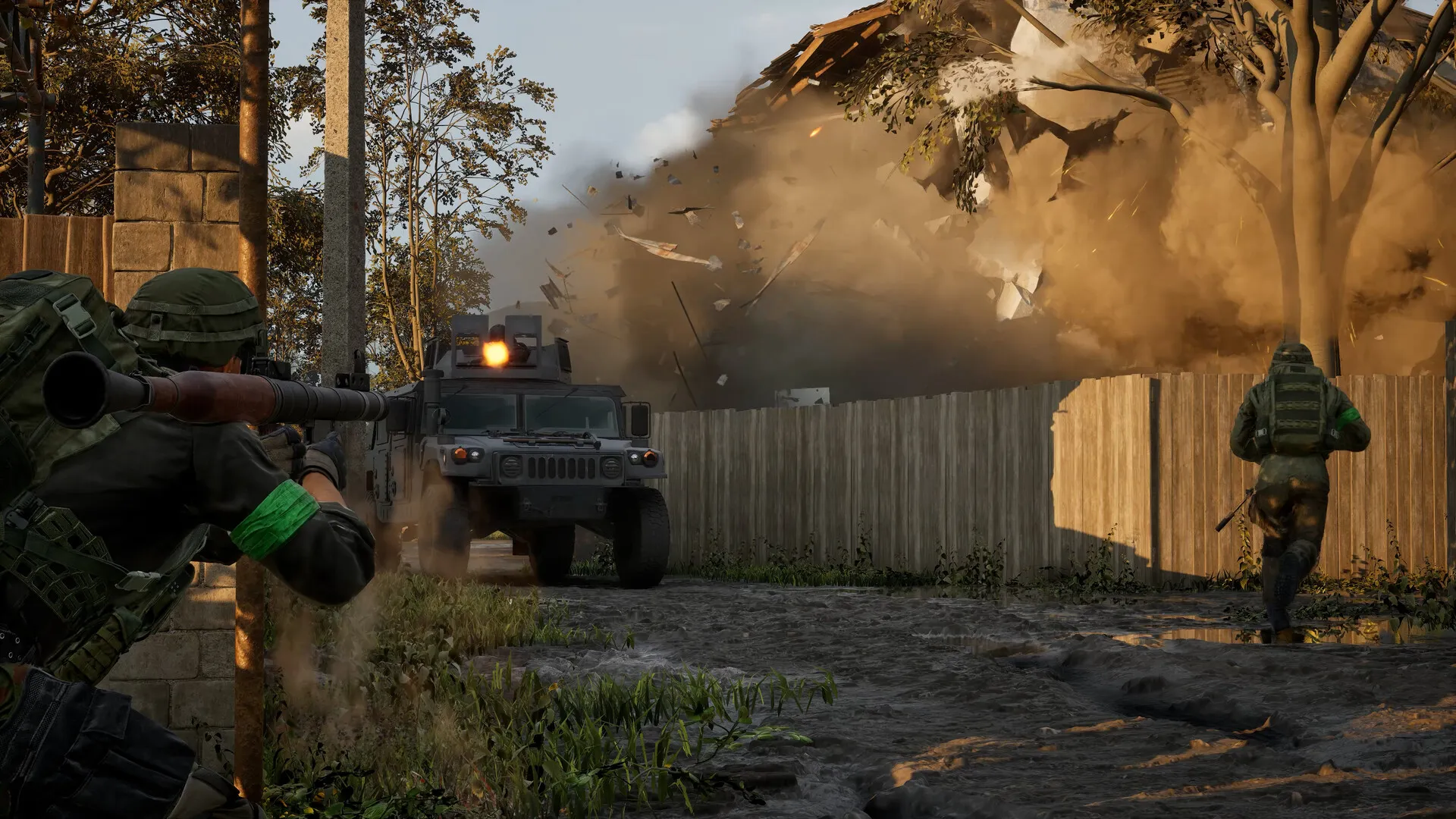
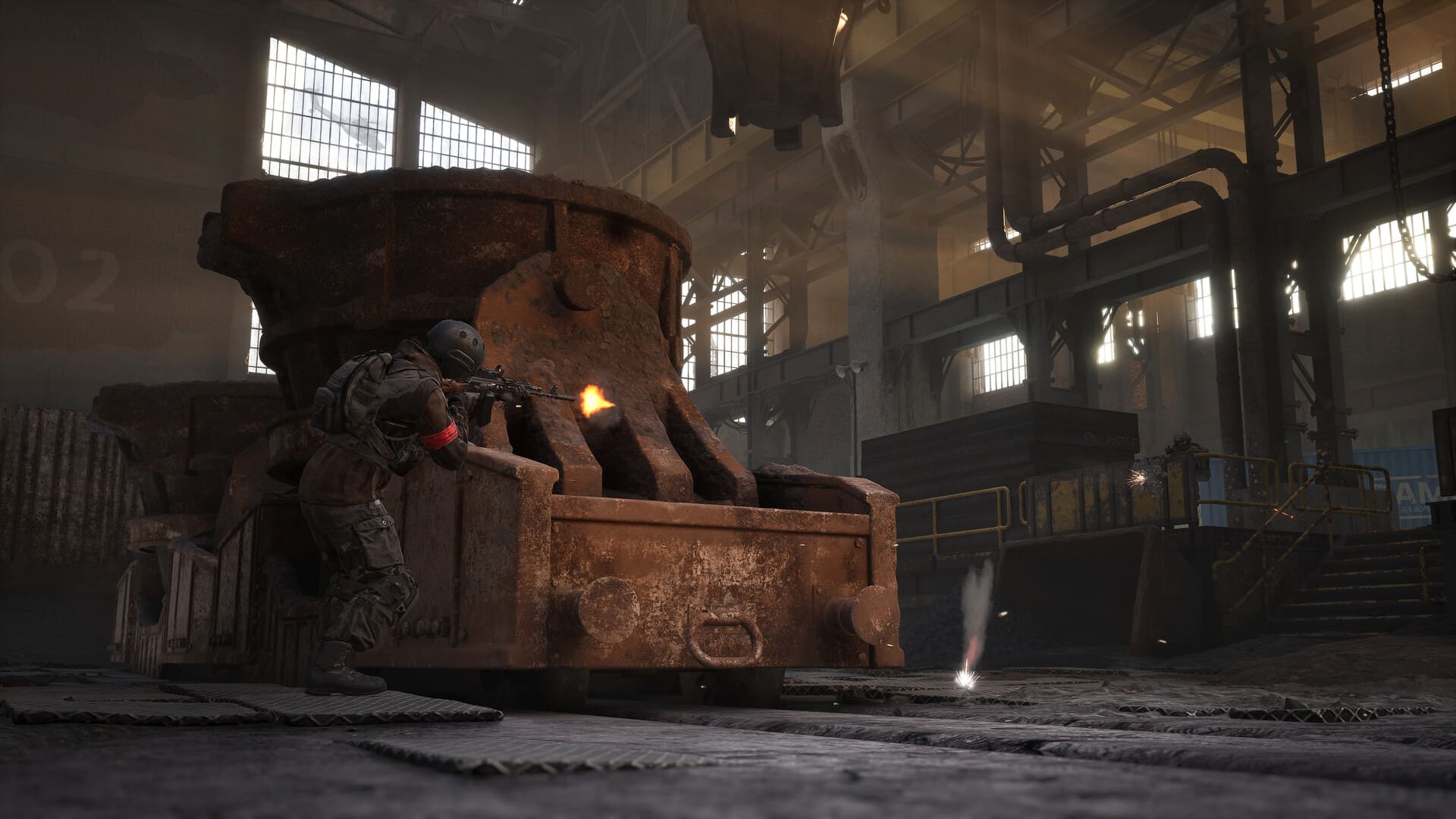 Presence pays — squads that hold ground keep earning — Image: BULKHEAD
Two structural points worth more than any single number. First, presence pays — simply being alive inside the Control Zone generates income, which is also how your faction scores. Second, every faction cashes out: one measured session saw a third-place player collect the $200 placement bonus, so a losing match is still a paid match. And a gun is optional for much of this — the pacifist playstyles guide collects the documented non-combat routes, from rideshare driving to supply runs.
What did Patch 0.11 change about earning cash?
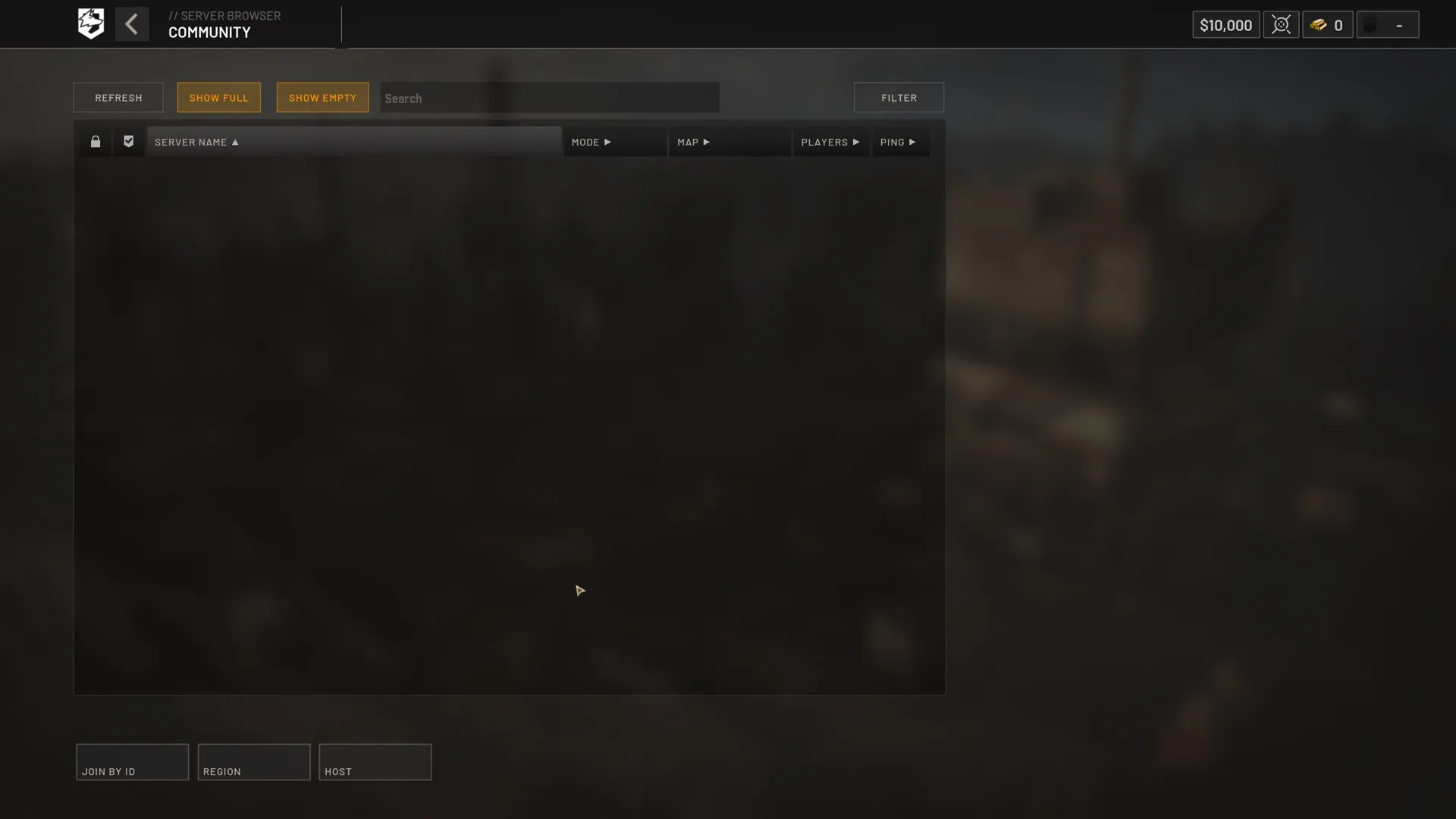
Two things, both from the September 12, 2026 announcement. First, a limited-time perk: for one week from the patch’s September 14 deployment, community servers paid a bonus 5% End of Match cash — the studio’s apology for underserving community servers since launch. That week ended on September 21; if you are grinding today, the standard payouts apply everywhere. The community servers guide covers the browser, text search, and join-by-ID.
Second, the door on shortcut money closed: various cash exploits are fixed in Patch 0.11, and the studio published a three-tier enforcement policy — a timed ban plus a cash-and-XP reset for exploit abusers, permanent bans for publishing exploit tutorials, and permanent bans for accounts that spend more than a few minutes in XP-farm servers. Testing a bug once is explicitly fine; repeated abuse is what gets flagged. Update 0.1.2 (September 30, 2026) turned the screw: every account caught abusing exploits or real-money trading has had its cash and progression reset, first-offence leniency is over, and repeat abuse now risks a permanent ban without warning. The full policy text is in the Patch 0.11 patch notes and the Update 0.1.2 patch notes; the legitimate levers above are unchanged.
What happens to your money when you die?
Two separate mechanics, often confused:
- The 90% refund. Gear purchased during a life refunds at a measured flat 90% rate — one alpha session spent $575 on a loadout and received $517 back. The working assumption is that this rate is fixed regardless of how the life ended, making every purchase carry a 10% expected tax.
- The revive bribe. While bleeding out, you can raise a pot from your own balance in $50 steps to incentivize a rescue. Whether claimed pots pay out, unclaimed pots refund, or enemies can see them is not yet confirmed.
Death is therefore expensive at the margin but never ruinous — the account wallet survives everything. The strategic consequence: gear risk scales with price, so an expensive loadout should justify itself in expected earnings before you click buy.
What should you spend cash on?
The vendor is where the economy becomes loadout strategy. Known reference points from the alpha: the M4 assault rifle at $2,800 (800 RPM, 910 m/s muzzle velocity, 2.92 kg), ammunition sold by caliber from roughly $10 per pistol box to $250 for premium rifle rounds, plus armor, bandages, deployables, and — the big-ticket items — vehicles, some of which sit behind cash unlocks or Driver/Pilot track levels. A forward operating base kit is still one of the cheapest ways to convert cash into team value, but no longer a trivial one: the Season 1 launch build tripled the FOB vendor kit from $2,500 to $7,500 and raised hammer prices alongside it — the full re-pricing table is in the Season 1 patch notes. The full purchase menu and unlock gates live in the weapons guide.
What are the Gold Market and Black Market?
Late-game systems that extend cash into a wider economy. The Gold Market is where accumulated wealth converts toward gold — the alpha pointed at gold as an endgame store of value — and the Black Market is the announced venue for player-to-player arms trading. Neither had published numbers or mechanics as of the closed alpha, so treat both as “confirmed to exist, details pending.” The full roadmap write-up — including Bulkhead’s announced Arms Dealers, Wagers, Businesses, and Manufacturer Buyouts — is on the Black Market page.
How fast can you actually make money?
The single best-documented sample: one player, one alpha server, roughly 64 minutes, $10,000 → $24,987. That is on the order of $15,000 per hour — with every caveat the source itself attaches (one session, one server, unknown payout caps). At that magnitude, a solid evening doubles a wallet, a bad one flattens it by a few thousand, and the starting stake is never more than one disciplined session away from recovery. For the lever-by-lever playbook built on these numbers, see how to make money fast.
How does this change how you should play?
Three habits fall straight out of the numbers. Enter zones early — the $250 entry bonus is the cheapest money in the game. Prioritize teamplay actions — revives and support work pay directly, scale with Match Contribution, and keep squadmates alive to keep earning. And finally, right-size your loadout: the 10% death tax punishes overequipping far more than it punishes cheap deaths. The factions guide covers the three sides you will be earning against.
Keep reading
Economy
WARDOGS How to Make Money Fast — Practical Cash Strategy
The practical playbook: every lever in this guide, ranked by impact.
Economy
WARDOGS Black Market and Player Trading — What We Know
The announced player-to-player trading layer, unpacked.
Patch Notes
WARDOGS Patch 0.11 Patch Notes — Server Browser Split & Economy Rules
The patch that added the 5% community-server cash week and the exploit-ban policy.
Weapons
WARDOGS Weapons List — Every Weapon by Class and Unlock
Where the wallet goes — every confirmed gun, priced.
Was this helpful?
Thanks for the feedback!