WARDOGS Playstyles: Can You Play Without Fighting? Pacifist Money Routes
Yes — WARDOGS pays cash for revives, deliveries and captures; RPS's pacifist rideshare run out-earned a combat player. Here are the non-combat routes.
FAQ
Can you play WARDOGS without fighting?
How much does a passenger delivery pay in WARDOGS?
Which non-combat playstyles make money in WARDOGS?
Does pacifist play still earn XP and unlocks?
What are the downsides of a pacifist run?
Can you play WARDOGS without fighting?
Yes. WARDOGS pays cash for almost every positive action on the map — hardpoint captures, revives, passenger deliveries, supply drops — and none of those payouts require a kill. Rock Paper Shotgun’s James Archer documented a pacifist session at launch, playing rideshare driver, and half an hour in his earnings sat slightly above a friend’s — a friend who spent that time hunting players. This page collects the non-combat routes, what each one pays, and where they bite back.
The reason it works is structural, not an oversight: the economy rewards Match Contribution, and contribution is measured in actions that help your faction hold the Control Zone. Shooting is one way to help. It is not the only one.
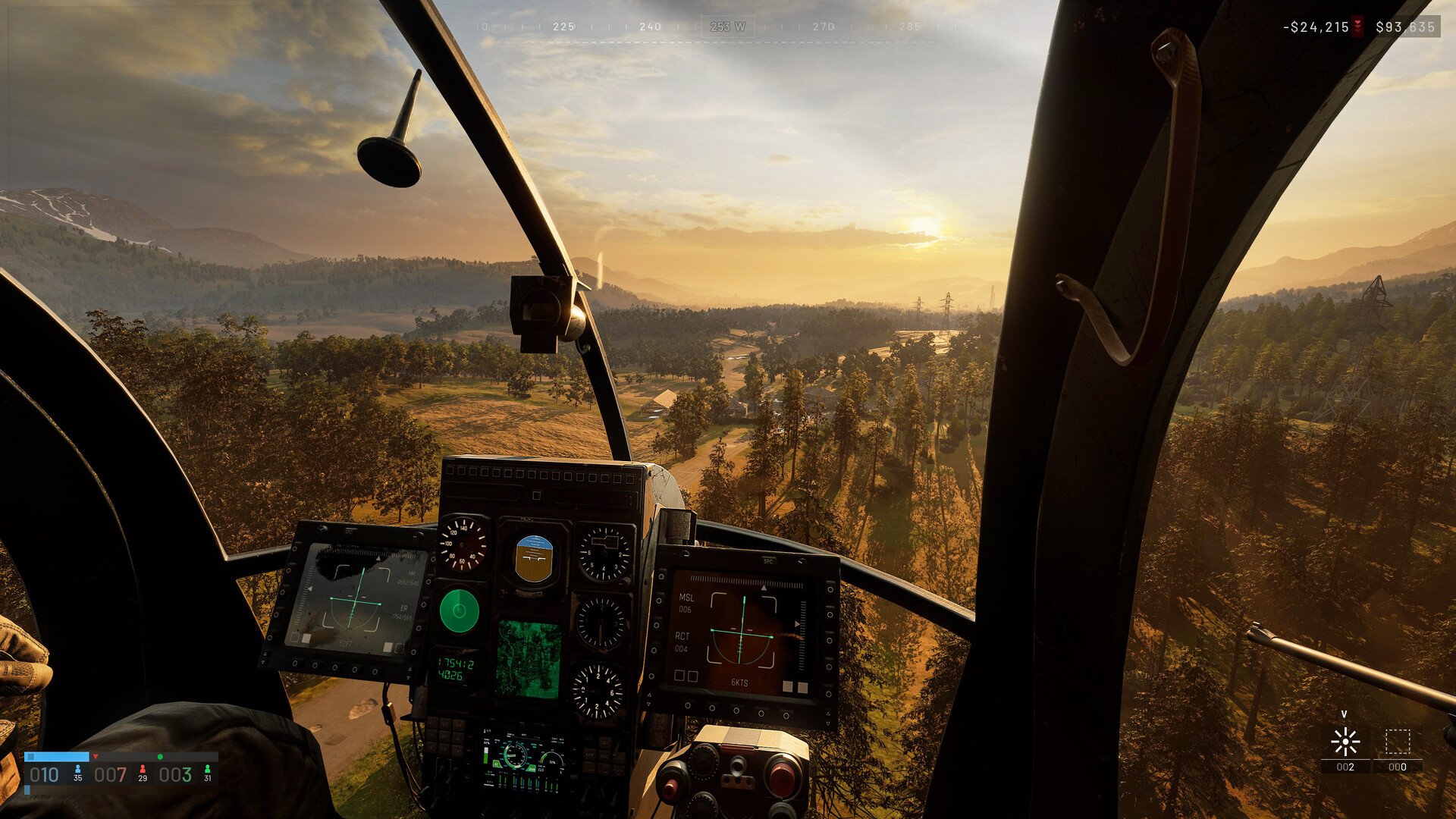
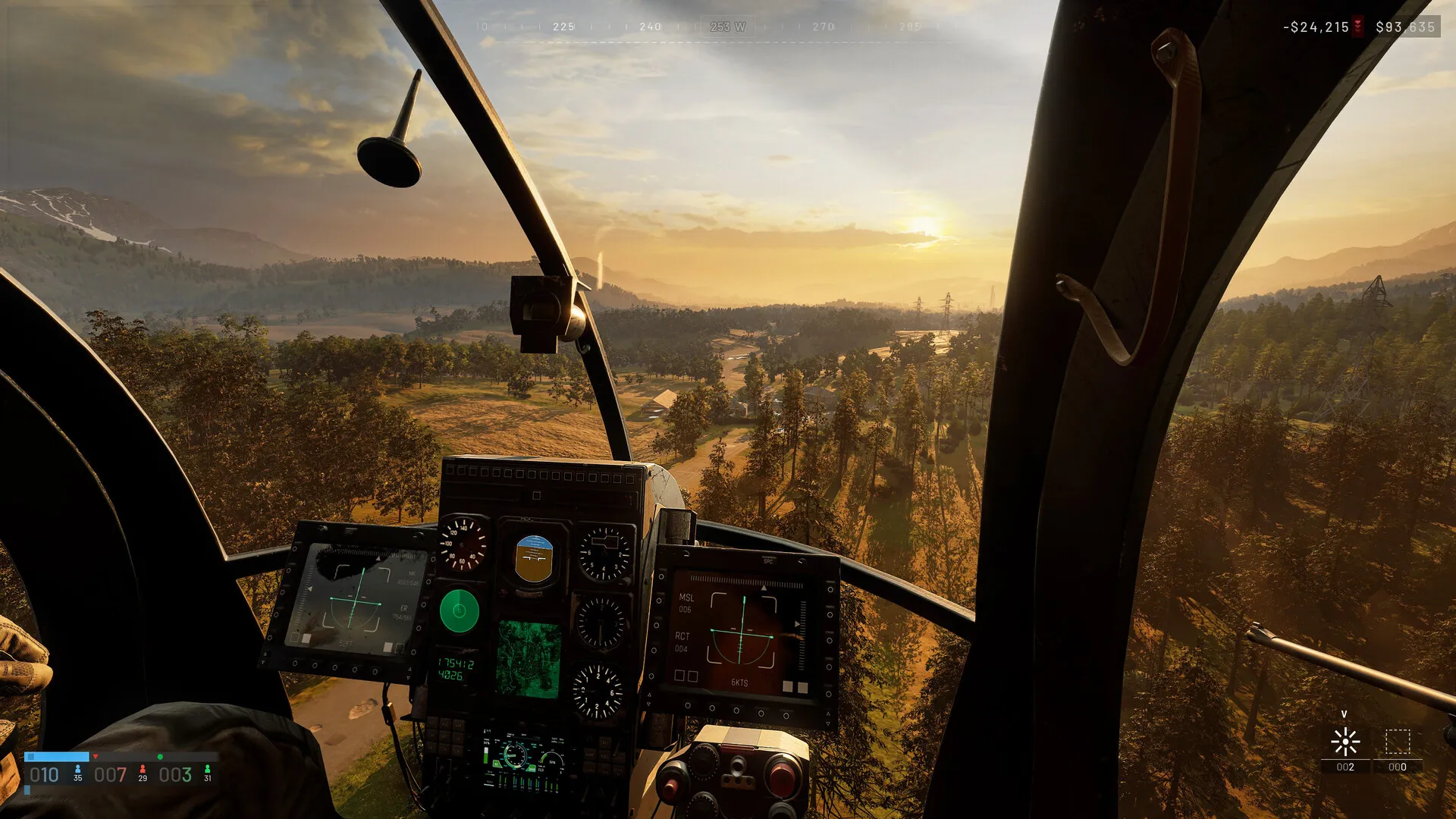
The view from a pilot’s seat — transport work ticks the wallet from the cockpit — Image: BULKHEAD
What does the game actually pay you for?
Nearly everything that helps your team banks cash the moment it lands. The documented payout streams:
- Captures and objective presence. Entering the Control Zone pays an entry bonus, and staying inside ticks a presence payment — the money guide carries the confirmed numbers.
- Revives. Picking up a downed teammate pays directly, and near the Hot Zone it pays more. There is also the reverse: while bleeding out you can raise a revive pot from your own wallet to tempt a rescue.
- Passenger deliveries. Ferrying infantry to the front pays per safe passenger, plus a deployment bonus for delivering a squad into the fight (per RPS: see the receipt below).
- Supply drops and logistics. Hauling crates of bandages and ammo to the frontline pays on delivery — RPS logged a +$500 “Supplies delivered” pop-up on a single crate run.
None of these scale with your K/D. A player who never leaves the driver’s seat collects every one of them.
How did a pacifist driver out-earn a combat player?
Rock Paper Shotgun’s launch-week experiment is the clearest documentation of the playstyle. Archer bought a vehicle at spawn and worked as a rideshare driver, ferrying players from distant spawns into the battle zone — WARDOGS drops you “literal miles” from the central fight, so demand was constant. Half an hour in, his earnings sat slightly above his friend’s — a friend who had spent that half hour “running around murdering people and getting shot himself.”
The receipt from one representative drive, per RPS:
| Line item | Amount |
|---|---|
| Tactical deployment bonus | $1,000 |
| Two passengers, delivered unharmed ($500 each) | $1,000 |
| Tip from a satisfied rider | $15 |
| Total for one relaxed drive | $2,515 |
The business did not stay uncontested for long — helicopter pilots with faster vehicles began competing for the same passengers, so Archer diversified into medical supply logistics, running crates to the front instead of people. One highlight of the run: caught in the open in a stalled vehicle under sniper watch, he killed the engine and sat still enough to pass for one of the map’s many abandoned wrecks. The enemy scope swept past.
Which non-combat routes work?
Four playstyles have been demonstrated or documented on the live build:
- Rideshare driver. Buy a cheap vehicle, run the spawn-to-zone taxi line. Highest demonstrated earner per trip (per RPS), but exposed to pilot competition and roadside ambushes.
- Supply mule. Haul medical and ammo crates from FOBs to the front. Steadier than rideshare — supplies always have demand — with modest per-trip pay (+$500 per RPS’s logged delivery).
- Revive runner. Play just behind the line with a medkit mentality, banking revive payments and Hot Zone bonuses. Semi-pacifist: you still carry a gun you rarely use.
- Objective camper. Stand in captures, rotate with the zone, collect entry and presence income. The lowest-skill, lowest-risk route — and the slowest.
For how these routes stack against combat income per hour, the making-money playbook has the session math; the routes above are complements to it, not replacements.
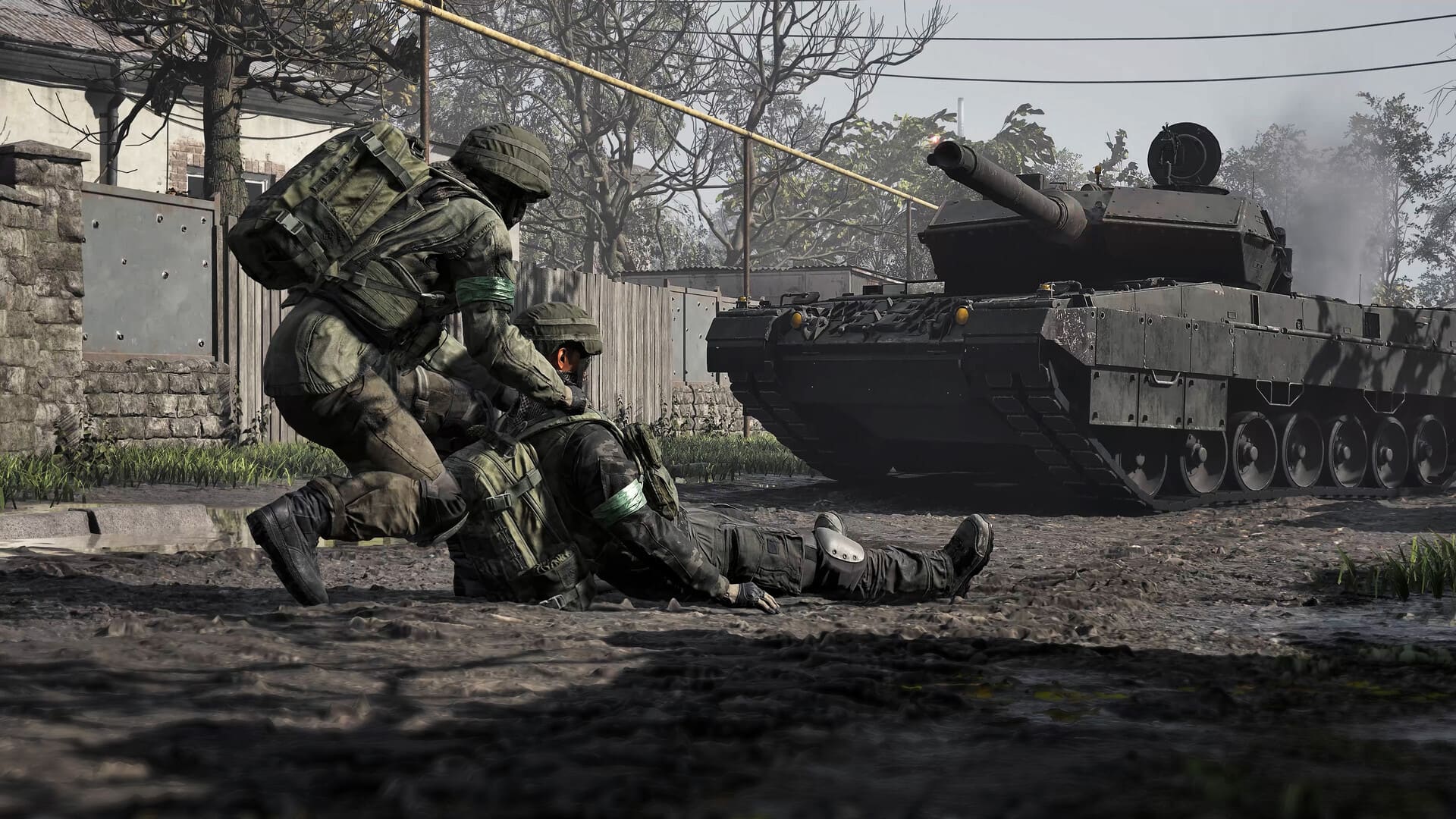
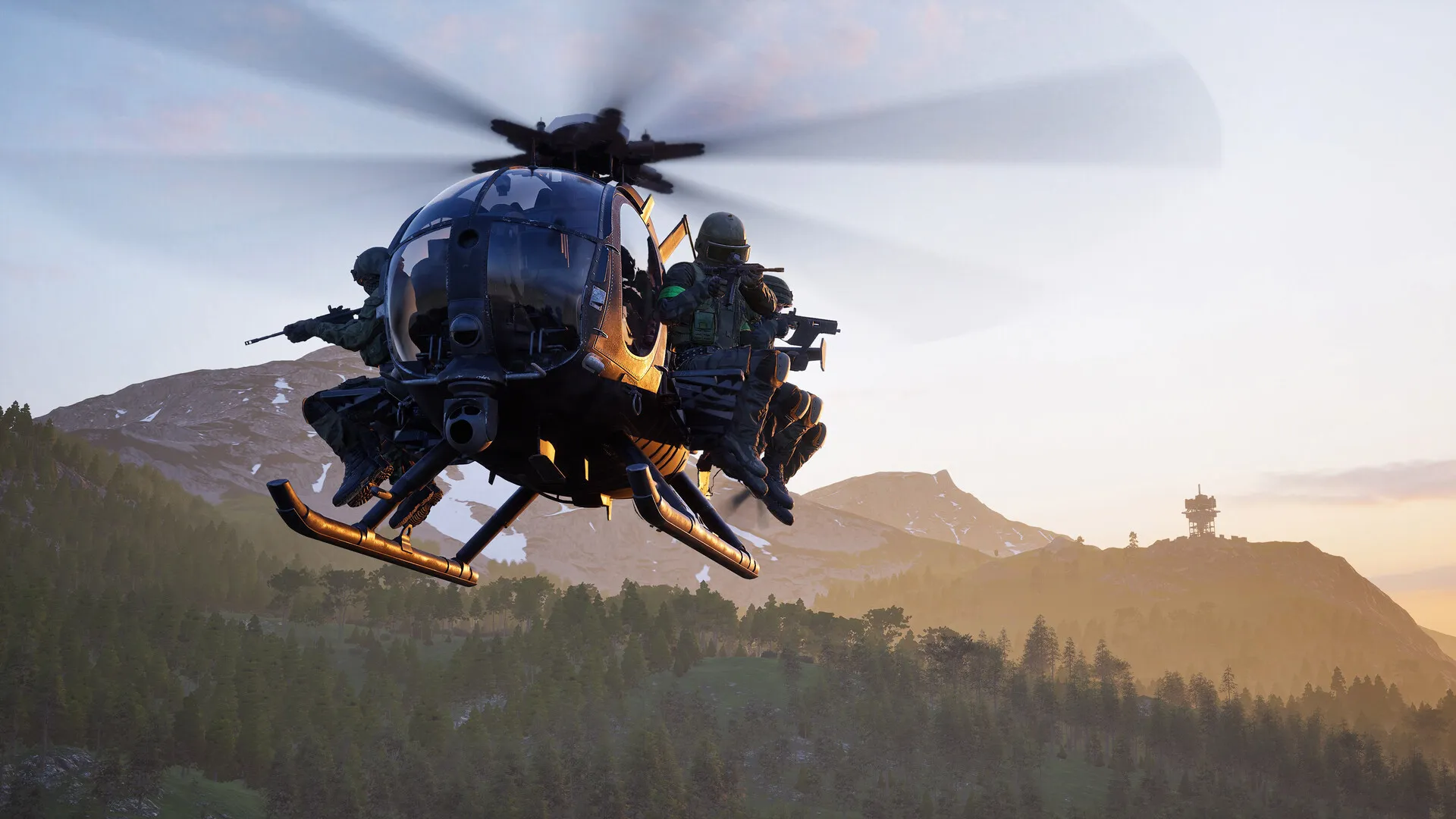
Revives pay — no shots required — Image: BULKHEAD
What are the risks of a pacifist run?
Three, all demonstrated in the RPS run. Competition: faster pilots can take your passengers — one reason the supply line became Archer’s fallback. Exposure: an unarmed SUV is free XP for anything with a gun; RPS notes its slippery launch-SUV handling made even driving itself dicey. Dependence on demand: if the front collapses or squadmates prefer walking, the fares dry up — a combat player creates their own income, a driver waits for it.
Does pacifist play still feed progression?
Yes, because progression keys off what you use. Time behind the wheel feeds the Driver track, revives and support actions feed Support, and Match Contribution grows with teamplay either way. A pacifist session unlocks the same shop gates as a combat one — it just takes the scenic route.
Was the pacifist run actually fun?
Per RPS: yes — emphatically. Archer called the fifty-minute match “some of the most pleasant and productive time I’ve had in a competitive FPS for ages,” high praise given it came alongside criticism of the game’s first-night server queue. The caveat for would-be pacifists is that his run was one session on one server during launch week. The structural payout streams are confirmed; the exact dollar figures above are single-source observations, not published tables. If you want the full story, it is worth reading in the original.
Where can you read the full pacifist story?
Rock Paper Shotgun: “Wardogs presents a different kind of FPS power fantasy: making fat stacks as a pacifist rideshare driver” by James Archer, September 11, 2026. This page summarizes the playstyle angle; RPS’s piece remains the source for every dollar figure quoted. For the broader economy these routes plug into, start with the money guide.
Keep reading
Economy
WARDOGS How to Make Money Fast — Practical Cash Strategy
The income streams every non-combat route taps into.
Economy
WARDOGS Money Guide — How the Persistent Cash Economy Works
The full cash system behind every payout on this page.
Guides
WARDOGS XP Tracks and Unlocks — How Progression Actually Works
How driving and support time feeds your unlock gates.
Guides
What Is WARDOGS? Gameplay, Factions, and Core Mechanics Explained
Brand new? The core loop, explained before you specialize.
Was this helpful?
Thanks for the feedback!